-
Organic Coconut Oil - 60ml - AL ASSILLE
Regular price €9,99 EURRegular priceUnit price per€14,99 EURSale price €9,99 EURSale -
ORGANIC Tachguiga Oil - 60ml - AL ASSILLE
Regular price €9,99 EURRegular priceUnit price per€14,99 EURSale price €9,99 EURSale -
ORGANIC Soya Oil - 60ml - AL ASSILLE
Regular price €9,99 EURRegular priceUnit price per€14,99 EURSale price €9,99 EURSale -
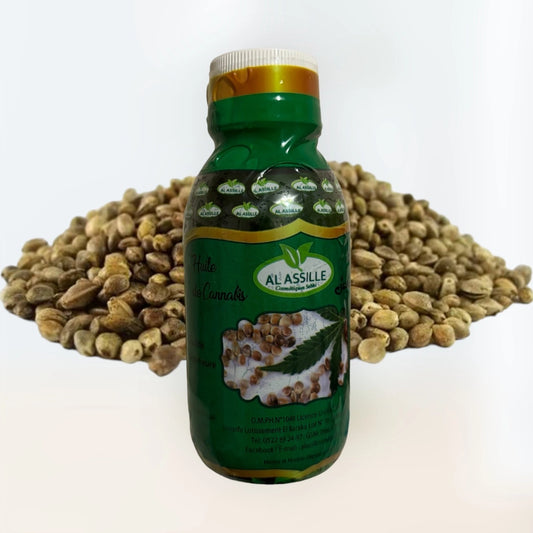
Organic Hemp Seed Oil - 60ml - AL ASSILLE
Regular price €12,99 EURRegular priceUnit price per€17,99 EURSale price €12,99 EURSale -
Organic Camphor Oil - 60ml - AL ASSILLE
Regular price €9,99 EURRegular priceUnit price per€14,99 EURSale price €9,99 EURSale -
Organic Tea Tree Oil - 60ml - AL ASSILLE
Regular price €9,99 EURRegular priceUnit price per€14,99 EURSale price €9,99 EURSale -
Organic Onion Oil - 60ml - AL ASSILLE
Regular price €9,99 EURRegular priceUnit price per€14,99 EURSale price €9,99 EURSale -
Organic Grape Seed Oil - 60ml - AL ASSILLE
Regular price €9,99 EURRegular priceUnit price per€14,99 EURSale price €9,99 EURSale -
Organic Avocado Oil - 60ml - AL ASSILLE
Regular price €9,99 EURRegular priceUnit price per€14,99 EURSale price €9,99 EURSale -
ORGANIC Lavender Oil - 60ml - AL ASSILLE
Regular price €9,99 EURRegular priceUnit price per€14,99 EURSale price €9,99 EURSale -
Organic Chamomile Oil - 60ml - AL ASSILLE
Regular price €9,99 EURRegular priceUnit price per€14,99 EURSale price €9,99 EURSale -
Organic flax seed oil - 60ml - AL ASSILLE
Regular price €9,99 EURRegular priceUnit price per€14,99 EURSale price €9,99 EURSale -
Organic Orange Zest Oil - 60ml - AL ASSILLE
Regular price €9,99 EURRegular priceUnit price per€14,99 EURSale price €9,99 EURSale -
Organic Mint Oil - 60ml - AL ASSILLE
Regular price €9,99 EURRegular priceUnit price per€14,99 EURSale price €9,99 EURSale -
Organic Mustard Seed Oil - 60ml - AL ASSILLE
Regular price €9,99 EURRegular priceUnit price per€14,99 EURSale price €9,99 EURSale -
Organic Sweet Almond Oil - 60ml - AL ASSILLE
Regular price €9,99 EURRegular priceUnit price per€14,99 EURSale price €9,99 EURSale -
ORGANIC Glycerin Oil - 60ml - AL ASSILLE
Regular price €8,99 EURRegular priceUnit price per€14,99 EURSale price €8,99 EURSale -
Organic Carrot Oil - 60ml - AL ASSILLE
Regular price €9,99 EURRegular priceUnit price per€14,99 EURSale price €9,99 EURSale -
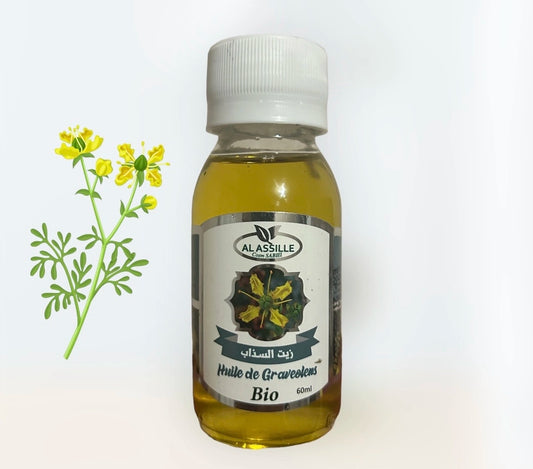
Graveolens (celery) oil ORGANIC 60ml AL ASSILLE
Regular price €9,99 EURRegular priceUnit price per€14,99 EURSale price €9,99 EURSale -
ORGANIC eucalyptus oil - 60ml - AL ASSILLE
Regular price €11,99 EURRegular priceUnit price per€18,99 EURSale price €11,99 EURSale -
Organic Clove Oil - 60ml - AL ASSILLE
Regular price €12,99 EURRegular priceUnit price per€18,99 EURSale price €12,99 EURSale -
Organic Pennyroyal Mint Oil 60ml AL ASSILLE
Regular price €11,99 EURRegular priceUnit price per€17,99 EURSale price €11,99 EURSale